 Posted by
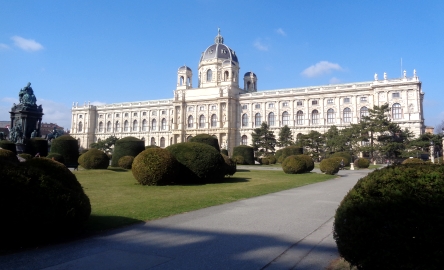
 The Natural History Museum Vienna (Naturhistorisches Museum Wien) is one of the largest and most important natural history museums in the world. Located directly on Vienna’s Ringstraße opposite the Kunsthistorisches Museum, it houses more than 30 million objects covering geology, biology, anthropology, and prehistory.
This very detailed English travel guide explains what makes the Natural History Museum Vienna special, highlights the most important exhibitions, and helps you plan your visit. The article is written in a clear, factual style and optimized for long-term SEO performance.
Tours & experiences in Vienna
Museums, city tours, palaces, concerts, and cultural highlights in Vienna:
Location and surroundings
The Natural History Museum Vienna is located at Maria-Theresien-Platz, one of the city’s most impressive squares.
- Directly on the Ringstraße
- Opposite the Kunsthistorisches Museum
- Close to the Hofburg Imperial Palace
The central location makes it easy to combine the museum with a Vienna city walk or other major attractions.
History of the museum
The Natural History Museum Vienna was opened in 1889 during the reign of Emperor Franz Joseph I. It was designed as part of a monumental twin-museum concept together with the Kunsthistorisches Museum.
The building itself is a masterpiece of historicist architecture, reflecting the scientific ambition and cultural confidence of the Austro-Hungarian Empire at the end of the 19th century.
Architecture and interior
The museum building is as impressive as its collections.
- Monumental staircases
- Ornate ceilings and wall paintings
- Large exhibition halls arranged by scientific discipline
Even visitors with little interest in science often appreciate the architecture alone.
Overview of the collections
The Natural History Museum Vienna covers a wide range of scientific fields.
Geology and minerals
The mineral and gemstone collection is one of the most extensive in Europe.
- Crystals and gemstones from around the world
- Meteorites and rare minerals
- Historical mining objects
This section is especially popular with visitors interested in geology and natural beauty.
Prehistory and early humans
The museum’s prehistoric collection is internationally renowned.
- Stone Age tools
- Early human remains
- Objects from prehistoric settlements
The most famous exhibit here is the Venus of Willendorf, a 30,000-year-old figurine and one of the most important prehistoric artifacts ever discovered.
Dinosaurs and extinct animals
The dinosaur and fossil halls are a highlight for families.
- Large dinosaur skeletons
- Extinct mammals
- Evolutionary displays
These exhibitions explain the development of life on Earth in an accessible way.
Animals and biodiversity
The zoological collections cover the diversity of life on Earth.
- Mammals, birds, reptiles, and insects
- Detailed taxonomic displays
- Focus on biodiversity and ecosystems
Although many specimens are historical, the exhibitions are regularly updated with modern scientific context.
Human evolution and anthropology
This section explores the biological and cultural development of humans.
- Human anatomy
- Evolutionary history
- Comparisons with other primates
Interactive elements help explain complex scientific concepts.
Special exhibitions
The Natural History Museum Vienna regularly hosts temporary exhibitions.
- Current scientific research
- Thematic exhibitions on nature and climate
- Family-friendly interactive shows
Temporary exhibitions are usually included in the general admission ticket.
Visitor experience
The museum is large and can feel overwhelming without planning.
Recommended approach
- Focus on 2–3 sections per visit
- Use floor maps and signage
- Consider an audio guide
Short breaks are recommended due to the size of the museum.
How long should you plan?
- Quick overview: 2 hours
- Standard visit: 3–4 hours
- In-depth visit: half day or more
Families with children often spend longer in the dinosaur halls.
Best time to visit
- Weekdays: fewer visitors
- Morning: quieter exhibition halls
- Rainy days: very popular
Weekends and school holidays are usually busy.
Tickets and practical information
Tickets are available on site and online.
- Adults
- Reduced tickets for students and seniors
- Family tickets
If you plan to visit multiple attractions, check the Vienna Pass.
Entrance Fees 2025
Adults pay 22 Euro entrance fee. Students and trainees up to 27 years can visit the museum for a bit less. There are other discounts, for example for the disabled and senior citizens (14 euros). It’s great that children up to the age of 18 have free admission (information as of 2025).
We think that the entrance fee for the natural history museum of 22 Euro (as of the beginning of 2026) is reasonable. It is a large and very interesting natural history museum. In our opinion it is the best exhibition about nature in Europe.
Our tip: Free admission to the museum: Those who have the Vienna Pass, like most other big sights of Vienna, have free admission to the museum. More information and booking on the well-known website Getyourguide
Opening hours 2026 Natural History Museum Vienna
Thursday, Friday, Saturday, Sunday and Monday: 9 to 18:30
Wednesday evening is longer on ( 9 pm to 21 pm)
Tuesday is the day of rest for the exhibition about nature in the centre of Vienna.
Getting there
The museum is well connected by public transport.
Combine with nearby attractions
Food and breaks
The museum has a café, and many restaurants are located nearby.
- Ringstraße cafés
- Naschmarkt area within walking distance
Accommodation nearby
Hotels in Vienna (Booking.com)
Find hotels near the Ringstraße and Museum Quarter:
Who should visit?
- Families with children
- Science and history enthusiasts
- Visitors on rainy days
- Travelers interested in large museums
Conclusion
The Natural History Museum Vienna is one of the city’s most impressive cultural institutions. With world-class collections, monumental architecture, and engaging exhibitions, it offers an unforgettable experience for visitors of all ages.
Related Vienna travel guides
All information Tour Bundestag Berlin, the parliament of Germany
Museums in Vienna
- Kunsthistorisches Museum Vienna
- Natural History Museum Vienna
- Leopold Museum Vienna
- mumok – Museum of Modern Art Vienna
- Belvedere Palace Museum
- Technical Museum Vienna
- Weltmuseum Vienna
- Imperial Carriage Museum Vienna
- Mozart House Vienna
- Mozarthaus Vienna
- Museum of Illusions Vienna
- Madame Tussauds Vienna