 Posted by
The Museum of Illusions Vienna is one of Vienna’s most fun, interactive, and family-friendly attractions. It blends science, perception, art, and playful learning in a way that surprises visitors of all ages. Unlike traditional museums focused on historical objects, this experience invites you to step inside illusions, challenge your senses, and rethink how your brain interprets reality.
>>>
Museum of Illusions Vienna tickets
Review dated entry and current conditions for the interactive Museum of Illusions.
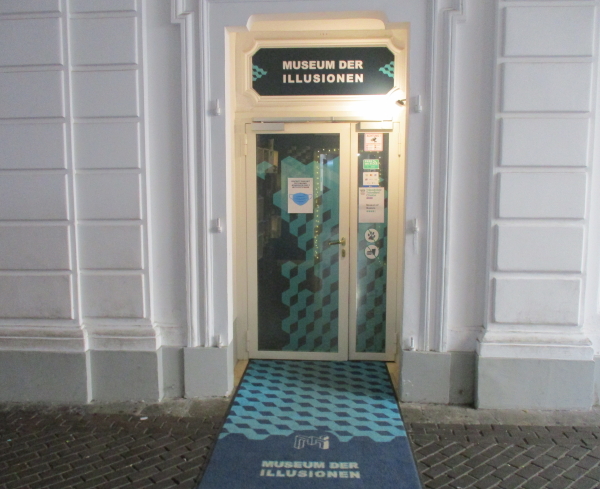
What Is the Museum of Illusions?
The Museum of Illusions is a hands-on exhibition dedicated to optical illusions, visual tricks, perception challenges, and interactive displays that demonstrate how the brain processes visual information. Instead of reading placards, visitors step into the exhibits — literally — and experience illusions from the inside: rooms that make you look huge or tiny, mirrors that twist perception, floating balls, impossible angles, tilted rooms, and more.
Designed to be both entertaining and educational, the Museum of Illusions makes complex ideas about vision and cognition accessible through play. It’s a place where science meets art, and where visitors can learn by doing rather than observing.
Entrance Fee and Tickets
The official visitor page currently lists adult admission at €19 and admission for children aged 5 to 17 at €14. Check current 2027 prices and discount eligibility before visiting, smaller children are free of charge. >>>
History and Background
The Museum of Illusions is part of a growing international concept that opened its first venue in Zagreb, Croatia, and since has expanded to major cities around the world. The Vienna branch continues this tradition, combining local creative input with globally recognized exhibits. It has become particularly popular with families, school groups, tourists, and anyone interested in a playful cultural experience.
Unlike traditional museums, the Museum of Illusions Vienna does not focus on historical artifacts or artworks. Its “collection” consists of brain teasers, perception puzzles, visual paradoxes, and interactive installations that invite fun, amazement, and deeper thought about how our senses work.
Main Exhibits & Highlights
The Museum of Illusions thrives on variety and surprise. While the exhibit layout can change over time, regular highlights include:
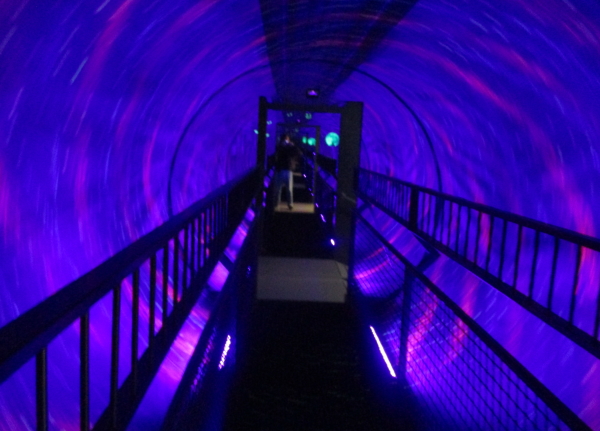
- Vortex Tunnel: A swirling tunnel that feels like it’s spinning under your feet, challenging your sense of balance.
- Ames Room: A distorted chamber where people appear to grow or shrink depending on where they stand.
- Infinity Room: A mirrored space that reflects light infinitely, creating a sense of boundless depth.
- Hologram Displays: Visual illusions that transform shapes and figures depending on perspective.
- Interactive Walls: Walls with patterns and shapes that change appearance based on viewer location.
- Tilted Room: A room built at an angle that makes people seem to defy gravity.
- Optical Puzzle Stations: Tables and walls with perception-based brain teasers.
Each exhibit is designed for interaction and photo opportunities, making the visit both educational and highly “Instagrammable.”
Why the Museum of Illusions Is Great for All Ages
One of the strongest appeals of the Museum of Illusions Vienna is that it doesn’t require prior knowledge or language skills. Visual perception is a human universal, so kids, adults, and international visitors alike can enjoy the experience.
- Children: Fun, colorful, and playful displays that stimulate curiosity and learning.
- Families: Interactive group experiences that encourage cooperation and laughter.
- Couples and Friends: Lots of surprising photo opportunities and shared “aha!” moments.
- Students and Learners: Real-world demonstrations of psychological and physical principles.
Unlike passive museum visits, here you are encouraged to touch, walk through, and engage with the exhibits. It’s less about quiet observation and more about participation.
Visitor Tips & Best Practices
To make the most of your visit to the Museum of Illusions Vienna:
- Book in advance: Timed tickets help avoid queues, especially on weekends and holidays.
- Take your camera: Almost every exhibit is designed for photos.
- Visit earlier in the day: Mornings can be less crowded, especially on weekdays.
- Wear comfortable shoes: You’ll want to explore every room and angle.
- Plan 60–90 minutes: That’s usually enough to see all displays and take photos.
Because displays involve mirrors, angles, and visual ambiguity, children should be supervised, though nothing here is dangerous — just delightfully deceptive!
Useful Vienna Travel Guides for Your Visit
How Much Time Should You Plan?
The Museum of Illusions Vienna can be visited on its own or as part of a larger sightseeing itinerary. Most visitors spend:
- Quick walkthrough: 30–45 minutes
- Standard visit: 60–90 minutes
- Leisurely exploration: 1.5–2 hours (with photos, group play, and revisits)
If you are visiting with children or a large group, expect to spend more time, as the interactive nature naturally leads to more exploration and photo ops.
Location & How to Get There
The Museum of Illusions is located in central Vienna, usually within easy walking distance of many classic attractions, shopping streets, and metro stations.
- Metro: Typically served by U1, U3, or U4 stations depending on exact location
- On foot: Central Vienna, close to pedestrian zones and historic streets
- Tram: Multiple tram lines connect near the museum
For detailed route planning, visit the
Vienna local transport guide.
Vienna Museum & Experience Tickets
Combine your Museum of Illusions visit with other engaging Vienna experiences,
including interactive museums and city highlights.
Combine with Other Vienna Attractions
Because of its central location, the Museum of Illusions fits easily into a full Vienna itinerary. Good combinations include:
- St. Stephen’s Cathedral
- Naschmarkt Vienna
- A walk along Graben & Kohlmarkt
Who Is the Museum of Illusions Best For?
- Families with children
- First-time visitors to Vienna
- Art and perception enthusiasts
- Anyone who enjoys playful, interactive experiences
Pricing & Ticket Options
Ticket prices vary based on age, student status, and whether you book online or on arrival. Discounts are often available for children, students, and groups. Booking online in advance is recommended to secure specific time slots and avoid lineups.
Why the Museum of Illusions Is Worth a Visit
The Museum of Illusions Vienna offers a break from traditional sightseeing. Instead of palaces, churches, or galleries, you get a hands-on, interactive experience that combines art, science, and entertainment. It’s engaging, fun, and memorable — especially for those who enjoy optical puzzles and unusual photo opportunities.
The museum also appeals to people who might be intimidated by classic museums or historical tours — here, participation is encouraged, and exploration is part of the fun.
Hotels Near Museum of Illusions
Staying near the museum or in central Vienna makes it easy to reach by foot
and combine with other city highlights.
Conclusion
The Museum of Illusions Vienna is a playful and interactive attraction that delights visitors of all ages. With mind-bending exhibits, interactive illusions, and unique photo moments, it offers a sensory experience unlike any traditional museum. Whether you plan a short visit or integrate it into a longer day of exploration, it’s a lively and thought-provoking stop in Vienna’s cultural landscape.
>>>
Museums in Vienna
- Kunsthistorisches Museum Vienna
- Natural History Museum Vienna
- Leopold Museum Vienna
- mumok – Museum of Modern Art Vienna
- Belvedere Palace Museum
- Technical Museum Vienna
- Weltmuseum Vienna
- Imperial Carriage Museum Vienna
- Mozart House Vienna
- Mozarthaus Vienna
- Museum of Illusions Vienna
- Madame Tussauds Vienna
What to expect at the Museum of Illusions Vienna
The Museum of Illusions is a compact, interactive attraction where visitors move through rooms designed to challenge balance, perspective and visual judgement. It suits families, couples and groups who want a playful activity between more traditional sightseeing stops. Rather than displaying a conventional collection behind glass, many installations invite you to stand, pose or look from a particular angle. The photographs are part of the fun, but the best results usually come when a companion follows the room’s instructions and takes the picture from the marked spot.
New rooms and the way the experience works
The museum has expanded its exhibition with additional illusion spaces and Vienna-themed elements. The exact selection can change, so treat room counts and individual installations as subject to change. Expect visual tricks, perspective rooms, mirrored effects and activities that demonstrate how the brain interprets size, depth and motion. Some rooms work best with two people: one person poses while the other takes a photograph from the indicated position.
Give each installation a moment. A quick glance may not reveal how the effect works, while trying the marked viewpoint can make the illusion clear. Some displays include explanations of perception, and these are useful for children as well as adults. The attraction is entertaining, but it can also prompt a simple question: why does the same scene look different when the viewpoint changes?
How long to spend and who will enjoy it
Many visitors spend around an hour inside, although groups who take photographs or read the explanations may stay longer. It is not a full-day museum. This makes it easy to include on a rainy day, as a family activity or as a short stop between the Hofburg and other central sights. Allow a little extra time if you are visiting with children or a larger group, since popular rooms can create a short queue.
The experience is most enjoyable for people who like taking part rather than only observing. It can work well for school-age children, teenagers and adults. Very young children may enjoy the colours and rooms but may not understand every explanation. Visitors who are sensitive to visual motion, mirrored spaces or sensory stimulation may prefer to take the visit slowly and skip any room that feels uncomfortable.
Tickets, opening times and booking
The museum is at Wallnerstraße 4 in Vienna’s first district. Opening hours are generally longer at weekends and on public or school holidays, but schedules can change. The official visitor page lists the current hours and admission prices; check it before setting out. Children under five have generally been admitted free, while standard and reduced rates apply to other visitors. Eligibility for discounts and age categories should be verified on the current official page.
Buying a dated ticket online can help you plan a central Vienna itinerary and reduce uncertainty at the entrance. Read the booking conditions and chosen time carefully, and keep the confirmation accessible on your phone. If you are visiting with a group, check whether group reservations or specific arrival rules apply. The museum is relatively small, so arriving at the selected time is useful even when the attraction is not at peak capacity.
Location and public transport
Wallnerstraße is within walking distance of the Hofburg, Michaelerplatz and the main shopping streets in the first district. You can reach it on foot from several central U-Bahn stops; the best route depends on your starting point and current service. Use the Vienna transport guide to plan your journey. If you are already exploring the Hofburg, the museum can be a convenient short detour rather than a separate cross-city trip.
The entrance is on a central street, so check the exact address and entrance details before arrival. Historic buildings can have steps or narrow passages, and accessibility can differ between the entrance and individual installations. The museum’s own accessibility statement notes that not every exhibit suits every mobility need. Contact the venue in advance if you require step-free access or assistance.
Tips for taking better photos
Most visitors want a few memorable photographs. Follow the floor markings and signs: the illusion is often designed for one specific camera angle. Ask a friend to stand at the marked point rather than taking a close-up from wherever there is room. Leave space for other visitors and avoid blocking an installation while composing several shots. If an effect is not visible on screen, move the camera slightly and try again.
Do not rely on flash unless the museum permits it. Avoid touching mirrors or equipment unless an installation clearly invites interaction. These small courtesies keep the experience comfortable for everyone and help protect the displays. If you are visiting with children, explain which objects can be touched and which should remain untouched.
Plan a half-day in central Vienna
The Museum of Illusions works well as one stop in a walk through the historic centre. Nearby, you can visit the Hofburg, explore the Imperial Apartments or continue towards Stephansplatz. The Weltmuseum Wien offers a more reflective museum visit, while the Kunsthistorisches Museum is a major choice for art and imperial collections. These larger museums deserve more time, so plan them on a separate half-day if you want to see their galleries properly.
For an evening programme, consider a concert or a walk around the Ringstrasse. Visitors staying centrally can often return to their accommodation on foot; otherwise, public transport is convenient. If you are choosing a hotel for a short city break, compare locations around the first district and the U-Bahn rather than selecting by price alone.
Is it a good choice on a rainy day?
Yes, the attraction is indoors and relatively easy to combine with other central activities. It is still worth reserving enough time for travel and any queue at the entrance. On a rainy weekend or school holiday, online timed admission can make the schedule more predictable.
Frequently asked questions
How long is a visit?
Plan roughly an hour, with additional time for photos, queues or a slower visit with children. The duration depends on how busy the museum is and how much you engage with each installation.
Is the museum suitable for small children?
It is generally family-friendly, but some effects may be confusing or intense for very young visitors. Adults should supervise children in rooms with mirrors, stairs or visual movement.
Can I take photographs?
Photography is central to many installations, but visitors should follow the signs and staff instructions. Avoid flash and give other groups space to use the marked photo points.
Should I book ahead?
Check the official site and ticket availability for your date. Booking ahead is a sensible option on weekends, holidays and during busy travel periods.
One comment