 Posted by
The Vienna PASS is a sightseeing pass that can simplify an attraction-heavy visit to Vienna. It offers admission to a selection of museums and sights, along with the operator’s hop-on hop-off sightseeing buses during its validity. Whether it saves you money depends on what you actually visit and how much time you have. A relaxed traveller who sees one museum a day may be better served by individual tickets.
What is included in the Vienna PASS?
The pass is sold for one, two, three or six consecutive calendar days. It is activated when first used at an included attraction or on the participating sightseeing bus. Its validity is measured by calendar days, not by 24-hour periods: activating a one-day pass late in the afternoon uses that day. Each included attraction can generally be visited once with the same pass; the included sightseeing bus can be used repeatedly during the active period, subject to its schedule.
The official attraction list changes, and individual sites can impose reservation rules. Examples listed by the operator include Schönbrunn Palace State Apartments, Vienna Zoo, Upper Belvedere, Kunsthistorisches Museum, Natural History Museum, Giant Ferris Wheel and Mozarthaus Vienna. Check the current official list for the precise ticket category and entry conditions before buying a pass.
Vienna PASS tickets
The main pass suits travellers planning several included sights on consecutive days. Compare available durations, the current attraction list and reservation requirements before purchase.
Is public transport included?
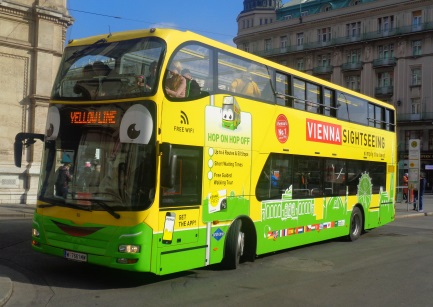
The standard Vienna PASS includes the Vienna Sightseeing hop-on hop-off buses, not ordinary U-Bahn, tram and city bus journeys. This is an important distinction when budgeting. Public transport can be purchased separately, and the operator may offer certain transport add-ons. To move efficiently between hotel, restaurant and attractions, see our guide to Vienna public transport.
Sightseeing buses are useful for orientation and selected attractions, but do not necessarily follow the most direct route between two addresses. Service frequency and routes can vary by season. If you need to reach an early timed entry, the metro or tram may be more reliable. The Vienna city tours guide explains the practical differences between bus sightseeing and guided walks.
Vienna PASS versus FLEXI Pass
The Vienna PASS counts consecutive days and suits an intensive sightseeing schedule. The Vienna FLEXI Pass counts a chosen number of admissions, commonly two to five, from its qualifying list. According to the operator’s terms, the chosen FLEXI admissions can be used within 60 calendar days after activation. This makes FLEXI more flexible for visitors who want several attractions across a longer stay or need rest days between major visits.
Do not assume that every attraction available on one pass is automatically available on the other. Check the current product list and any booking requirement for your exact variant. The FLEXI Pass does not include ordinary public transport. Its sightseeing bus option, where offered, is governed by the product’s current inclusions and may count toward the selected admissions.
Vienna FLEXI Pass
Choose a set number of attractions rather than consecutive sightseeing days. Check the selected attractions, collection instructions and the validity after first use.
How to decide if a pass saves money
List the attractions you definitely want to visit, look up their current individual prices and add them together. Compare this total with the pass price for the number of days you can realistically use. Only count sights you would visit without the pass. A pass may save money on paper while making the trip less enjoyable if it forces four large museums into one afternoon.
As an example, a traveller interested in Schönbrunn, a major art museum, the zoo and the sightseeing bus should check whether those visits fit into the same one or two days. Travel time matters: Schönbrunn and the zoo are in one area, while the Prater is elsewhere. An itinerary that pairs nearby places can make the pass more useful without turning the holiday into a timetable exercise.
Discounted child tickets, student prices and accessibility concessions can change the calculation. Some attractions may already be free for a particular age group. Compare the relevant rate for each person, not just the adult full price. If one traveller wants museums and another prefers cafés and walks, they may not both need the same pass.

Which attractions fit together geographically?
Schönbrunn area
Combine Schönbrunn Palace with Tiergarten Schönbrunn only if you have enough time. The gardens are large and both the palace and zoo deserve attention. An attraction pass does not change how much walking is required. For many families, these two activities already fill most of a day.
Historic centre and Ringstrasse
A central route might include the Hofburg, Spanish Riding School, St. Stephen’s Cathedral and Kunsthistorisches Museum. Their admissions and reservations differ; an exterior walk through the Hofburg does not use a museum ticket. Choose one or two interior experiences and allow time to move between entrances.
Museums and the Prater
Art lovers can give several hours to the Leopold Museum or mumok. Families may prefer the Natural History Museum followed by a separate outing to the Giant Ferris Wheel. The pass works best when your itinerary reflects your interests, not simply the greatest possible number of admissions.
Using the pass at the entrance
Read the delivery and redemption instructions for the seller and product you select. Some purchases involve a mobile pass or voucher exchange, and some attractions require a time slot even when admission is covered. A pass can remove the need to buy a separate admission ticket at certain sites, but it does not guarantee that an attraction has room at every time. Check admission requirements in advance, particularly for popular palace visits.
Save the booking confirmation and keep a working phone or printed documents according to the product’s instructions. If you are travelling with other people, ensure each visitor has the correct pass category and identification if an age discount applies. Check the operator’s current attraction pages for unexpected closures, changed hours and the precise location of the entrance.
Suggested two-day itinerary
On the first day, start early at Schönbrunn with a prearranged palace time, then visit the zoo if it fits your pace. Use the remainder of the day for an unhurried dinner. On the second day, choose a central museum, walk through the Hofburg area and take the sightseeing bus for an overview. This schedule has more room than trying to visit every participating sight in two days.
A museum-focused alternative is to spend one day around the Ringstrasse and MuseumsQuartier, with the Kunsthistorisches Museum and one smaller collection. The following day can cover Schönbrunn or Belvedere. Always check whether each planned museum is included under your pass variant and whether prebooking is needed.
When individual tickets are better
Buy individual tickets when you want to explore slowly, expect bad-weather changes, or plan only one paid attraction per day. They can also be preferable if you qualify for substantial reduced admission. A pass is a convenience product as well as a potential saving; its value depends on the itinerary. If you mainly want transport and restaurant discounts, compare a Vienna City Card separately because it is a different product with different benefits.
For a single bus ride or a 24- to 72-hour sightseeing tour, a separate bus product may suit you better than a broad attraction pass. Check its current routes and how often you intend to use it.
Sightseeing bus without an attraction pass
A separate hop-on hop-off ticket can suit visitors who want the city overview without committing to many museums. Compare current routes and ticket durations.
One day, two days or longer?
A one-day pass calls for an early start and a tightly grouped itinerary. It may fit if you already know exactly which attractions matter and can secure the necessary entry times. A two-day pass gives more room to divide central Vienna from Schönbrunn. Three or six days are useful only when you expect to visit included attractions across most of those consecutive days. Rest days still count once the pass is activated.
Before selecting a duration, inspect each attraction’s closure days and typical visit length. A large museum may take three hours, while the zoo can take half a day or longer with children. Allow travel time and a meal. If your arrival or departure day is short, starting the pass the next morning can be more efficient. The pass starts at its first qualifying use, so decide in advance which activity should activate it.
Pass comparison checklist
- Must-see attractions: write down the places you would pay to visit anyway.
- Individual admission: use the rate that applies to each traveller, including reduced tickets.
- Opening and reservations: check the actual date and required time slots.
- Transport: separate the sightseeing bus from public U-Bahn and trams.
- Time: allow enough hours for the attraction rather than counting admissions alone.
- Delivery: check whether a mobile pass, voucher exchange or other activation step is needed.
Only after these checks can you make a useful price comparison. The best value does not necessarily mean using the maximum number of entries. It means visiting your chosen sights at a comfortable pace for less than you would otherwise pay.
What about the Vienna City Card and E-pass?
The Vienna City Card is mainly a transport-and-discount product and should be compared on those terms. Discounts do not mean that every included venue is free. Other products called “Vienna E-pass” are sold separately and have their own attractions, reservation processes and validity. Similar names can hide very different terms, so check the exact supplier and product description. This guide focuses on the Vienna PASS and FLEXI Pass from the same pass family.
Visitors chiefly interested in concerts should check individual performance tickets, since a museum pass is not a substitute for a seat at a specific concert. See our guide to classical concerts in Vienna if music is central to your trip. Likewise, a separately booked tour may be the better choice if you want a live guide rather than admission alone.
Common planning mistakes
The biggest mistake is treating a one-day pass as a 24-hour pass. Another is assuming the sightseeing bus replaces Vienna’s ordinary public transport. Visitors also overlook fixed admission times and discover too late that a desired museum needs a reservation. Make your shortlist first, then check the attraction conditions and opening times for the dates of travel.
Do not rely on an old list of included sites or an old headline price. Both may change. A vendor’s refund and cancellation terms also depend on the selected product, so read them at checkout. Keeping a modest gap between visits lets you enjoy the city, especially when travelling with children or anyone who needs breaks.
Practical advice for families and mobility needs
Families should consider walking distances, mealtimes and the energy needed for each attraction. A zoo and palace in one day can be substantial even when both are covered by a pass. For a more comfortable schedule, choose fewer major sites and allow time in the palace gardens or a park. Check child age categories on both the pass and individual admission pages.
Visitors with limited mobility should review the accessibility information of each museum and of the sightseeing bus separately. The pass provides admission benefits but does not guarantee that every building, vehicle or historical area has the same access. Some attractions offer reduced tickets to disabled visitors and companions; that can alter the savings calculation.
Where to stay for a sightseeing trip
A hotel near a metro station can be useful even if you buy a Vienna PASS, because ordinary city transport remains separate. Staying near the old town reduces some transfers for central sights, while accommodation by a convenient U-Bahn line can make Schönbrunn and other districts easier to reach. Compare the total price and travel time rather than choosing a hotel only by its distance from one museum.
Accommodation in Vienna
Compare hotels by transport connection, cancellation conditions and total cost for your dates.
Conclusion: who should buy the Vienna PASS?
The Vienna PASS is most useful for travellers who have chosen several included attractions, can start sightseeing early and are comfortable with consecutive active days. The FLEXI Pass offers a different rhythm when you want a fixed number of admissions spread over a longer period. Individual tickets remain sensible for a slower stay. Compare your own itinerary against the current inclusions and conditions before purchasing.
For further planning, read about Vienna local transport, city tours, getting to Vienna and airport transfers. These connections help you judge the real travel time between the attractions included in your plan.
One comment