 Posted by
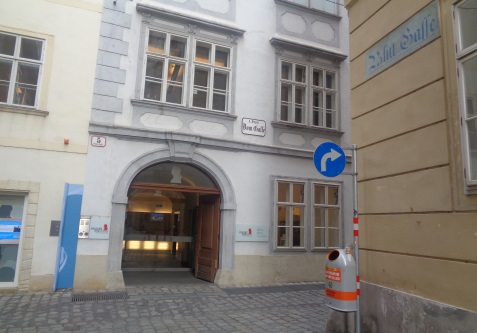
 Mozarthaus Vienna (often also called the “Figaro House”) is one of the most interesting small museums in central Vienna. It is located at Domgasse 5, just a short walk from St. Stephen’s Cathedral. The building is special for one simple reason: it is the only one of Mozart’s Vienna apartments that still exists today. Mozart lived here from 1784 to 1787—a productive period in his Viennese years.
The tickets are available on the Internet at this website. The entrance fees online also cost 16 euros including audio guide and some more.
This detailed English travel guide explains what you can see at Mozarthaus Vienna, how to plan your visit, how long to stay, and how to combine it with other top sights in the historic center. The style is factual and easy to read, with practical tips and clear structure.
Tours & experiences in Vienna
City tours, palace visits, museums, concerts, and unique experiences in Vienna:
What is Mozarthaus Vienna?
Mozarthaus Vienna is a museum dedicated to Wolfgang Amadeus Mozart’s life and work in Vienna. The museum’s centerpiece is the historic apartment where he lived with his family. According to the museum itself, this is the only surviving Mozart apartment in Vienna—and it is also the place where he composed an unusually large amount of music. :contentReference[oaicite:1]{index=1}
The museum experience typically combines:
- The preserved apartment rooms (the historical highlight)
- Exhibition spaces about Mozart’s Vienna years (context, society, music life)
- Information on major works created during this period
- Audio and media elements (useful even if you are not a classical music expert)
If you are building a “music Vienna” day, Mozarthaus fits well with an evening concert. You can plan that via classical concerts in Vienna or specific venues like Kursalon concerts.
Where is Mozarthaus Vienna located?
The museum is at Domgasse 5 in Vienna’s 1st district (Innere Stadt), close to the cathedral area. :contentReference[oaicite:2]{index=2}
- Area: Historic city center (walkable)
- Nearby landmark: St. Stephen’s Cathedral
- Works well with: Vienna city walk
If you like doing Vienna “by theme”, Mozarthaus also combines naturally with:
- Hofburg (imperial Vienna)
- Kunsthistorisches Museum (major museum day)
- Natural History Museum (popular across all ages)
Admission prices 2026 Mozarthaus Vienna
The entrance fee for adults is 16 Euro (exhibition, Mozart apartment, etc.). There are some discounts for example for kids, etc. (about 4,50 Euro).
The tickets are also available on the Internet at this website. The entrance fees online also cost 16 euros including audio guide and some more.
As a tourist, those who have the Vienna Pass do not pay an entrance fee in the Mozarthaus Vienna, as in many other sights. Another reason to buy the great Vienna Pass: >>>>> More info and booking Vienna Pass
Opening hours 2006 and best time to visit
According to Mozarthaus Vienna’s official visitor information, the museum is open daily from 10:00 to 19:00, with last admission at 18:30. :contentReference[oaicite:3]{index=3}
Practical timing tips:
- Best time (quiet): weekday mornings, especially outside school holiday periods
- Best time (combine with cathedral): late morning or early afternoon, then continue to St. Stephen’s Cathedral tower
- Rainy-day plan: Mozarthaus + nearby cafés + museums are a strong indoor combination
How long do you need at Mozarthaus Vienna?
Most visitors plan about 60 to 90 minutes for the museum. If you read everything carefully, use audio elements, and want a slower pace, you can extend it to about 2 hours. :contentReference[oaicite:4]{index=4}
- Quick visit: 45–60 minutes (apartment focus)
- Standard visit: 75–90 minutes (apartment + exhibition)
- Slow visit: 2 hours (deep reading, media, shop)
Why this address matters: Mozart in Vienna (1784–1787)
Mozart moved many times in Vienna. This specific apartment is important because it survived and because it represents a period when he lived relatively “grand” compared to other phases of his life. The museum notes that he lived here from 1784 to 1787. :contentReference[oaicite:5]{index=5}
For visitors, the value is not only “seeing a few rooms,” but understanding the city’s music culture at that time:
- Vienna as a center of aristocratic and bourgeois music life
- Concert culture, patronage, and the economics of being a composer
- How Mozart’s daily life connected to the city’s streets and institutions
If you want a broader “how Vienna works” layer (tickets, metro, planning), it helps to read Vienna local transport before you start the day.
What you see inside: the apartment and museum sections
The historic apartment
The apartment is the core attraction. Even if you are not a classical music fan, it is interesting to stand inside a real historical living space in the old city. The museum presents the apartment as the centerpiece and explains how Mozart lived and worked here. :contentReference[oaicite:6]{index=6}
What to look for during your walk-through:
- Room layout: how the apartment is organized, and what that suggests about daily life
- Interpretation elements: documents, visual material, and context panels
- Atmosphere: you are in a narrow historic street, near the cathedral quarter
Exhibition: Mozart’s Vienna and major works
The museum adds broader content about Mozart’s time in Vienna: the people, the culture, and the music. This is useful because it prevents the experience from being “only a small apartment.” It turns the visit into a compact learning session about Mozart and the city around him. :contentReference[oaicite:7]{index=7}
Tip: If you plan to attend a concert later, the exhibition gives you better context for what you will hear in the evening.
Who is Mozarthaus Vienna best for?
- First-time visitors who want one “music history” stop in the old town
- Culture-focused travelers building a museum + concert itinerary
- Families with older children who enjoy interactive museum content
- Bad weather days (indoor, central, easy logistics)
Who might skip it?
- Visitors who prefer big, visually overwhelming museums only (Mozarthaus is smaller and more focused)
- Travelers with extremely limited time in Vienna (then pick 1–2 “musts” like Schönbrunn Palace
How to combine Mozarthaus with nearby highlights
Because Mozarthaus sits in the historic center, you can combine it with several major sights without additional transport time.
Option A: Classic old town walk (half day)
- Start with Vienna city walk
- Visit St. Stephen’s Cathedral and (if you want views) the cathedral tower
- Mozarthaus Vienna (75–90 min)
- Finish with coffee or a meal
Option B: Museum day (full day)
- Mozarthaus Vienna (morning, before it gets busy)
- Kunsthistorisches Museum (big highlight, plan several hours)
- Natural History Museum (right nearby, easy add-on)
Option C: Music + evening concert
- Mozarthaus Vienna in the afternoon
- Dinner (or simple meal)
- Concert at night: classical concerts in Vienna or Kursalon concerts
Tickets, Vienna Pass, and planning tips
Ticket conditions can change, so the safest approach is to check your intended pass and the museum’s official ticket information shortly before your visit. If you are comparing sightseeing bundles, start with the guide to the Vienna Pass and decide whether it matches your travel style (many attractions in a short time vs. slower travel).
Practical tips that usually improve the visit:
- Don’t over-plan: Mozarthaus is compact, but dense in information. Keep buffer time.
- Use the location advantage: do it on a day when you are already in the 1st district.
- Pair it with a “view”: the cathedral tower is a good counterbalance to museum time.
Those who have the Vienna Pass do not pay admission to Mozarthaus. Another reason to buy the great Vienna Pass: >>>>>> More information and booking Vienna Pass
Getting to Mozarthaus Vienna
The museum is best reached on foot if you are already in the historic center. Otherwise, use Vienna’s public transport to reach the old town area and walk the last minutes through the narrow streets.
- Planning overview: Vienna local transport
- Arriving in Vienna: Getting to Vienna
- Airport logistics: Vienna Airport
Food break ideas nearby
Because you are in the center, you have many options—ranging from quick snacks to classic restaurants and cafés. If you want a “market vibe,” you can continue later to the Naschmarkt. If you prefer a traditional restaurant setting, consider planning a fixed spot (especially on weekends).
For a specific restaurant idea, see Restaurant Stefanie (traditional style). If you want something casual and international, Hard Rock Cafe Vienna is another option.
Where to stay in Vienna
If your priority is walkability, staying near the historic center (1st district) or in nearby districts with fast metro access is the simplest approach. Vienna’s public transport is strong, so you do not have to stay in the center to move efficiently.
Hotels in Vienna (Booking.com)
Find hotels near the historic center, St. Stephen’s Cathedral, and central museums:
Extra ideas: build a full Vienna itinerary around one “theme”
Theme 1: Mozart & classical Vienna
- Mozarthaus Vienna (this guide)
- Mozarthaus Vienna (detailed page)
- Classical concerts in Vienna
- Kursalon concerts
Theme 2: Imperial Vienna highlights
Theme 3: Family-friendly Vienna
Conclusion
Mozarthaus Vienna is one of the best small museums in central Vienna if you want a compact but meaningful cultural stop. Its strength is the combination of a real historical apartment at Domgasse 5 and a well-structured exhibition about Mozart’s Vienna years (1784–1787). :contentReference[oaicite:8]{index=8}
Because the museum is right in the old town, it is easy to combine with a cathedral visit, a walking route through the historic center, or an evening concert. If you want a calm, focused museum that adds context to Vienna’s music identity, Mozarthaus is a strong choice.
Related Vienna travel guides
Those who have the Vienna Pass do not pay admission to Mozarthaus. Another reason to buy the great Vienna Pass: >>>>>> More information and booking Vienna Pass
Semper Opera Tour (Dresden, Germany)